%2Ffit-in%2F250x250%2Fguide_websites%2F20527%2Fimages%2F1737197967647fishingchartericons2.png&w=1920&q=100)
Striped Bass Caught on Hudson River Fishing Charter
Striped Bass Fishing on the Hudson River - What to Expect
%2F%2Fusers%2Fe080fe3c-dfd9-4600-b943-c94a9371cb9b%2Fimages%2Fconnelly-ny-striped-bass-fishing-2653.jpg&w=1920&q=75)
Fishing Charter by Captain Nick Vegeto in May

- Reel Adventure In Hudson River Fishing Charters!


Summary
Join Captain Nick Vegeto for an explosive striped bass fishing charter on the Hudson River near Connelly, NY. This Friday in May brought fast action and incredible results on the water. Experience world-class striped bass fishing with a licensed guide who knows these waters inside and out.
Fishing Charter with Captain Nick Vegeto - Rates & Booking
Captain Nick Vegeto of Da Fish Hunter delivered the action on Friday, May 16th with a full-throttle striped bass fishing charter on the Hudson River. This dynamic fishing experience showcases why Connelly has become a destination for serious anglers chasing trophy stripers. The charter operates from the heart of Hudson River fishing country, where seasonal migrations create consistent explosive action throughout the year.
Captain Nick brings decades of local expertise to every trip, reading water conditions and locating hungry striped bass with precision. His knowledge of the Hudson's current patterns, structure, and feeding windows gives anglers a genuine competitive advantage. The fishing charter includes all necessary tackle and techniques tailored to current conditions. This is premium, hands-on fishing with a captain who lives for the hunt.
Ready to land your own trophy striper? Contact Da Fish Hunter to reserve your charter and experience the Hudson River's legendary striped bass fishing. Booking is straightforward - reach out to lock in your date and prepare for an unforgettable day on the water.
Highlights of Your Hudson River Fishing Adventure
The Hudson River delivers non-stop striped bass action, and Captain Nick knows exactly where to find them. This particular charter captured the intensity of spring fishing when stripers are aggressive, hungry, and ready to hit hard. You'll experience the thrill of explosive strikes, intense battles, and the rush of landing powerful fish in one of the Northeast's most productive fisheries.
What makes this charter stand out is the combination of skilled navigation, proven techniques, and genuine passion for the sport. The Hudson River environment creates perfect conditions for striped bass - deep channels, current breaks, and structure that hold massive fish. Whether you're targeting schooling fish or hunting for trophy-sized stripers, Captain Nick adjusts strategy to match conditions and deliver results.
Local Species Insights: Striped Bass
Striped bass are the kings of the Hudson River, and they command respect. These powerful fish are anadromous spawners, migrating upriver each spring in search of prime breeding habitat. The Hudson River has become a critical population center for the Atlantic coast's striped bass stocks, making it one of the most reliable destinations for consistent fishing action.
Striped bass are built for power and speed - they're aggressive hunters that attack prey with violent force. In the Hudson, they feed heavily on herring, shad, and other baitfish, making them incredibly responsive to well-placed presentations. The stripers in this system range from schooling fish in the 15-20 pound range to trophy-caliber fish exceeding 40 pounds. Their behavior changes dramatically with water temperature, light conditions, and current flow, requiring constant adaptation from your guide.
These bass are incredibly intelligent and develop feeding patterns based on seasonal cycles and available forage. Spring fishing showcases striped bass at their most aggressive - they're feeding hard before spawning season, and they hit with tremendous ferocity. The forested hills surrounding Connelly provide a stunning backdrop to the action, creating a complete outdoor experience that combines fishing thrills with natural beauty.
Captain Nick reads every signal the Hudson sends - water color, current speed, temperature, and fish behavior. His ability to interpret these factors in real time means you're fishing where stripers are active right now, not where they might be. This approach transforms your charter from a casual outing into a focused mission where explosive action is the goal and results are the standard.
Fishing in Hudson River: Striped Bass
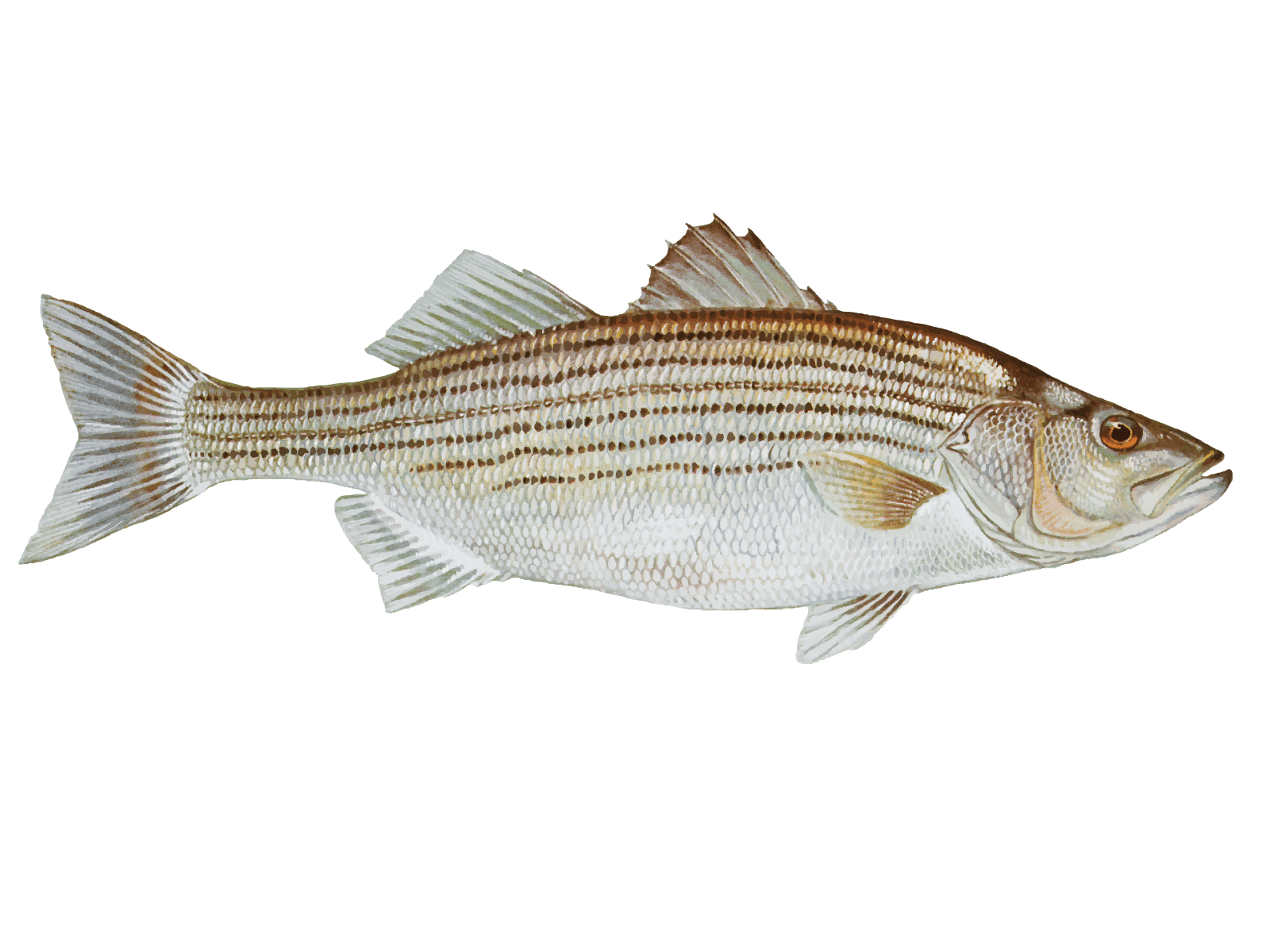
Striped Bass Overview
The Striped Bass (Morone saxatilis), belonging to the family Moronidae and order Perciformes, is one of North America's most celebrated game fish. Known affectionately as "stripers" or "linesiders," these powerful swimmers are instantly recognizable by their distinctive seven to eight dark horizontal stripes running down their silver-green bodies. With colors ranging from light olive to dark brown and black, topped with a shimmering white belly, the Striped Bass is a true trophy for recreational and commercial anglers alike. Found across diverse waters from the Atlantic coast to inland lakes and rivers, these remarkable fish have become legendary in fishing communities from New England to California, thriving in both saltwater and freshwater environments thanks to their remarkable adaptability.
Striped Bass Habitat and Distribution
Striped Bass naturally inhabit coastal waters along the Atlantic Ocean, ranging from Canada all the way south to the Gulf of Mexico. However, their popularity as a game fish has led to widespread introduction across North America, making them available in most major water bodies including rivers, lakes, and coastal areas. The Chesapeake Bay in Maryland stands as the premier striped bass producer, while the Hudson River between New York and New Jersey ranks as the second-most significant population center. On the West Coast, the San Francisco Bay and surrounding coastline offer excellent opportunities, while Colorado's lakes—including Lake Havasu, Lake Mead, Lake Powell, Lake Pleasant, and Lake Mohave—harbor abundant populations. These structure-oriented fish favor areas near reefs, sandbars, drop-offs, and shoreline features where they hunt for prey in moving water, typically remaining within yards of the banks where currents concentrate food sources.
Striped Bass Size and Weight
Striped Bass are impressive specimens that can reach substantial sizes in ideal conditions. Most fish caught by anglers weigh between 20 and 40 pounds, though they commonly grow to 20 inches minimum and up to 55 inches or more in length. The species has been documented reaching weights exceeding 80 pounds, with plump, muscular bodies that make them both visually striking and powerful fighters. Their size varies considerably depending on water temperature, food availability, and age, but what's consistent is their solid build—these aren't slender fish, but rather hefty powerhouses built for strength and endurance in variable water conditions.
Striped Bass Diet and Behavior
As voracious predators, Striped Bass feed primarily on smaller fish including herring, menhaden, mackerel, anchovies, and shad, along with other protein sources like eels, squid, and crustaceans. They're most active during low-light periods—dawn and dusk—when they move into shallower waters to feed. These fish are known for their finicky nature, being selective about what baits they'll accept, though live bait generally outperforms dead offerings because of the natural movement and vibrations that attract their attention. Despite their impressive size and strength, stripers aren't particularly fast swimmers, making them reasonably approachable for skilled anglers. They're also known to create spectacular feeding frenzies, especially during migration periods when they gorge themselves on baitfish pods before traveling long distances.
Striped Bass Spawning and Seasonal Activity
One of the most fascinating aspects of Striped Bass biology is their anadromous nature—they spawn in freshwater despite spending most of their adult lives in saltwater. Each spring, they undertake remarkable migrations, traveling from deeper Atlantic waters off Virginia and North Carolina northward toward spawning grounds in rivers and estuaries like the Delaware River, Hudson River, and Chesapeake Bay. Many populations continue their spring journey all the way to the cool waters of New England and beyond into Canadian territories. These fish prefer moderate temperatures between 55°F and 68°F, so they migrate long distances—sometimes up to 2,000 miles during their lifetime—to maintain their preferred thermal range. In fall, as water temperatures cool, hungry stripers move south again, creating legendary fall migration fishing periods when they aggressively feed to build energy reserves for winter. This migration cycle creates predictable "windows of opportunity" for anglers who understand the species' temperature-driven movements.
Striped Bass Techniques for Observation and Capture
Live Bait Method: Cast live herring, menhaden, mackerel, anchovies, or eels along moving water near structures such as bridge pilings, sandbars, and drop-offs. Fish early morning or late afternoon from piers, bulkheads, or while wading in the surf. The natural movement of live bait triggers strikes from even the most cautious stripers. Around the Chesapeake Bay, live bait drifted through deep channels during slack tide produces excellent results year-round.
Casting and Lure Technique: Use 8- to 14-foot rods with sensitive braided line (monofilament should test at least 20 pounds) to cast artificial lures or live bait into areas where current meets structure. Focus on transitions where shallow water drops off into deeper channels, as stripers patrol these boundaries hunting for disoriented prey. Strip your lure with jerky, erratic movements to mimic wounded baitfish.
Sight Fishing During Migration: During fall migration periods, watch for "baitfish volcanoes"—explosive disturbances at the water's surface where stripers drive baitfish upward. Also watch for diving birds and whale activity, as these natural indicators reveal feeding frenzies. Position yourself upwind or upcurrent from the action and cast into the outer edges of the chaos for best results.
Striped Bass Culinary and Nutritional Notes
Striped Bass is excellent eating, prized for its plump, meaty white flesh and distinctly sweet, delicate flavor reminiscent of its close relative, the Black Sea Bass. Beyond taste, stripers offer impressive nutritional benefits—a 100-gram serving provides approximately 20 grams of high-quality protein and roughly 0.5 grams of omega-3 fatty acids. These essential fatty acids reduce inflammation, support brain function, and help lower cardiovascular disease risk. The fish's firm texture makes it versatile in the kitchen, adapting well to grilling, pan-searing, baking, or poaching. Many chefs prize striped bass fillets for sushi, ceviche, and sophisticated seafood preparations. From a sustainability perspective, farm-raised hybrid striped bass and properly regulated wild catches represent responsible seafood choices when sourced from managed fisheries with size and harvest limits protecting wild populations.
Striped Bass Frequently Asked Questions
Q: What is the best bait for catching Striped Bass?
A: Live bait significantly outperforms dead offerings. Herring, menhaden (bunker), mackerel, eels, anchovies, shad, squid, and bloodworms all work well. The key is fresh, lively bait that creates vibrations and natural movement patterns that trigger predatory responses. Live eels are particularly effective in rivers and around structures.
Q: Where can I find Striped Bass near major fishing destinations?
A: The Chesapeake Bay region offers year-round opportunities with consistent populations. The Hudson River between New York and New Jersey provides excellent spring and fall fishing. Cape Cod, Massachusetts experiences legendary fall runs. West Coast anglers should target San Francisco Bay and Lake Havasu in Arizona. Most major rivers and reservoirs across North America now host established populations.
Q: Is Striped Bass good to eat?
A: Absolutely. Striped Bass is considered a delicacy with sweet, tender white meat that works beautifully in countless preparations. The high protein content and omega-3 fatty acids make it both delicious and nutritious. Many consider it superior to other bass species in terms of culinary quality and health benefits.
Q: When is the best time to catch Striped Bass?
A: You can fish for stripers year-round, but spring (spawning runs) and fall (migration feeding frenzies) provide peak action. Early morning and late afternoon consistently produce better results than midday. Dusk-to-dawn periods are particularly productive as stripers move into shallower feeding zones during low-light hours.
Q: What rod and reel setup do I need for Striped Bass?
A: Use 8- to 14-foot rods with braided line testing at least 20 pounds for strength and sensitivity. Braided line's minimal stretch helps with hook-setting and feel, though quality monofilament works if you ensure adequate test strength. Spinning or conventional reels both work well depending on your fishing style and location.
Q: Why are they called "Stripers"?
A: The name derives directly from the distinctive seven to eight dark horizontal stripes running along their bodies from behind the gills to the tail base. These striking markings make them instantly identifiable and have earned them the affectionate nickname "stripers" among fishing communities.